Minji Lee is a 17-year-old student who recently moved from Korea to England. She has been attending a boarding school in Bath, a small city in southwest England, for the past year. Minji shares her unique experience studying in a mostly Asian international school with very few Koreans, living alone in a quieter city unlike the bustling environment of Korea. Her perspective reveals the challenges of adjusting to a new cultural and educational system, as well as the differences between life in Korea and England. Unlike the common expectation that boarding school life in England is like something out of Bridgerton or Harry Potter, Minji’s experience shows a very different reality. Minji’s story highlights the real challenges international students face as they balance identity, culture, and education far from home.
Can you introduce yourself and tell me where you currently live? What do you do?
Minji: I’m Minji Lee and I’m a friend of Janice. I went to a Korean public school in Seoul for most of my life and moved to England last year. Since then, I have been attending a boarding school in Bath. I can share what it’s like to study in an environment with very few Koreans and to live alone in a quieter city like Bath. Most of the students at my school are from China and Hong Kong, and there are no local English students.

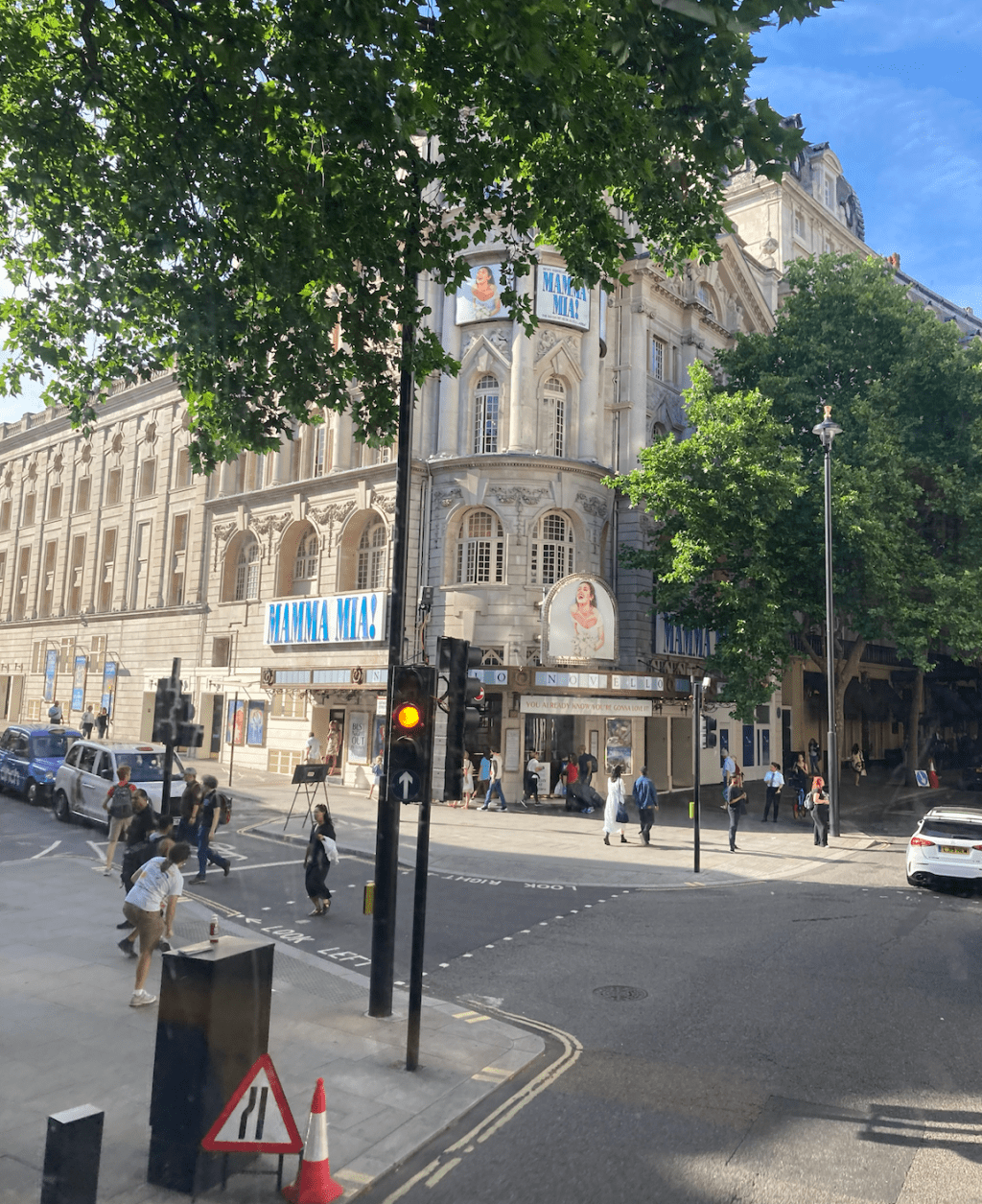
This is a spot in front of my school in Bath. In the afternoons it feels calm and peaceful, and the sky looks beautiful.
How would you describe your daily life compared to your home country?
Minji: Honestly, people have certain expectations when they hear that I live in England. I also thought I would be living and studying with English students, but since I attend an international school, most of my classmates are from China, Hong Kong, and Taiwan. Almost everyone speaks Chinese, which makes it hard for me to communicate and sometimes creates cultural clashes. I often feel left out or uncomfortable.
Back in Korea, things feel very different. It’s my home country, and I lived there before moving to England, so I feel much safer and more comfortable using my language freely. But there are certain places here that remind me of Korea too, like this chicken place in front of my school in Bath. When I’m there, I feel like I’m back in my hometown!

What are some cultural differences you have noticed between Korea and England? In your school?
Minji: One of the biggest differences is how people interact and socialize. In Korea, students tend to stick with their close friend groups, and there’s a clear sense of hierarchy based on age. At my school in England, even though most students are also Asian, the atmosphere feels more individualistic. People are polite but not as group-oriented, and English people value personal time more. Also, I noticed that students are generally more private and reserved. It’s harder to become close right away.
How has your experience with education differed in Korea versus England?
Minji: In Korea, the focus was more on memorization and test scores. We had long school hours and extra classes after school. It felt very structured and intense. In England, the approach is more discussion-based. We spend a lot of time analyzing and debating ideas in class, which is new for me, especially in my psychology class. Also like there was no psychology class back in korean public school, so there’s more emphasis on critical thinking and expressing your opinion. I’ve learned a lot, but it was definitely hard at first to adjust.
Minji’s interview reveals the multifaceted experience of living and studying abroad as a Korean student. She shares how expectations can differ from reality, especially when surrounded by classmates from other Asian countries rather than local English students. Her reflections on daily life highlight the challenges of dual cultural adjustment: adapting not only to life in England but also managing cultural differences within a predominantly Chinese-speaking school community. Educational differences further shape her experience, with England emphasizing critical thinking and discussion compared to Korea’s structured memorization approach. Minji’s story reminds us that adapting to a new culture involves managing both social and academic changes. Her journey shows the resilience of a teenager facing difficult adjustments and an openness to learning in unfamiliar environments.
 Humans of Korea