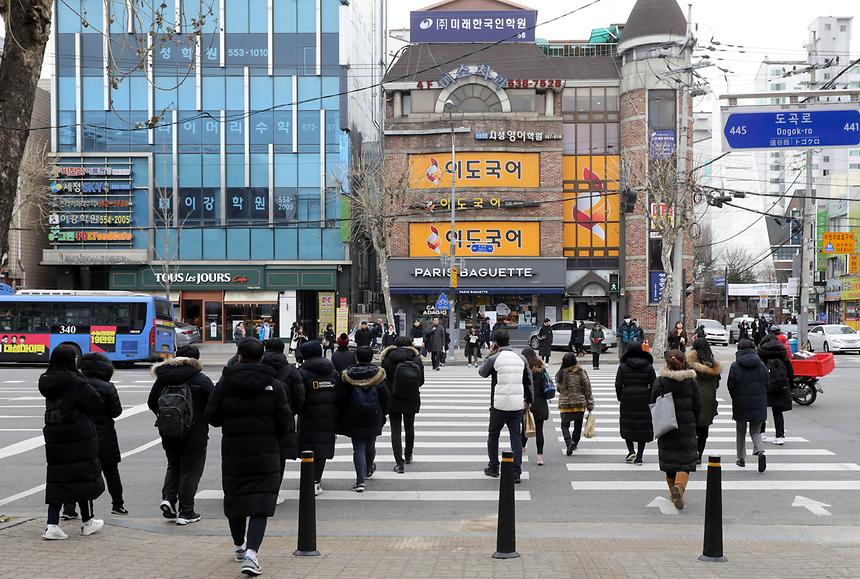
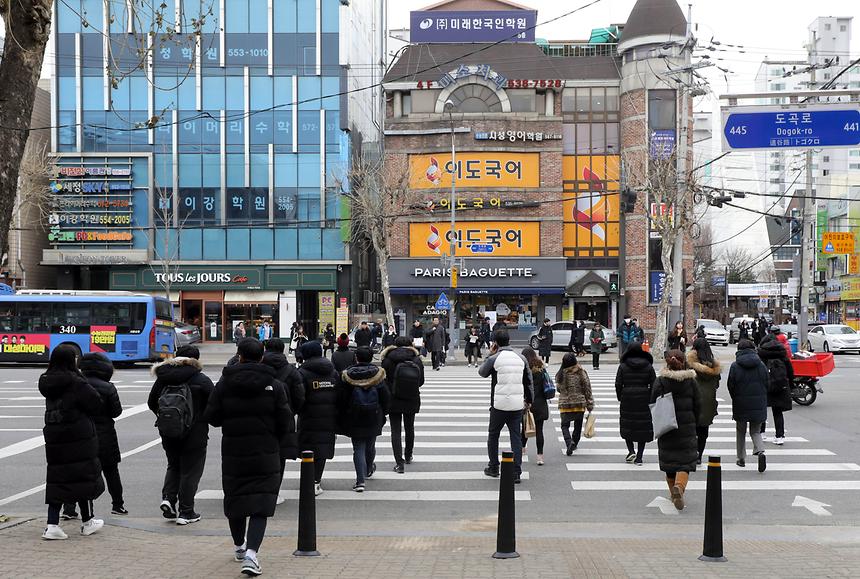
Juyeon is a Grade 11 student living in Daechi-dong, an area widely known for its concentration of private academies. She has lived her entire life in Korea and has attended only Korean public schools, while spending most of her evenings and weekends at hagwons preparing for major exams. As a humanities track student, she feels strong pressure to perform well academically, since university name plays a major role in future opportunities. Her daily routine reflects the reality of many Korean students growing up in an exam focused education system shaped by competition, financial gaps, and social expectations. Through her experience, Juyeon offers insight into student life inside one of Korea’s most academically intense environments.
What does a typical weekday look like for you as a student in Daechi-dong?
Juyeon: On weekdays, I wake up early for school and spend the whole day in classes. As soon as school ends, I head straight to academies. I attend different hagwons for Korean, English, and social studies, and I usually get home close to midnight. Even after that, I feel pressure to review what I studied or plan the next day. There is barely any time to rest, and studying shapes almost everything in my daily life.
How does studying in Daechi-dong affect the way you see school and learning?
Juyeon: Being in Daechi-dong makes learning feel competitive all the time. You are surrounded by students who study longer hours or attend more academies, so it is hard not to compare yourself. Sometimes learning feels less about interest and more about surviving the system. I still enjoy certain subjects, but the focus on scores and rankings makes it difficult to fully enjoy learning.
What do you think about the exam and academy centered study culture in Korea?
Juyeon: I think this culture pushes students to work extremely hard, but it also creates constant pressure. Studying becomes something you have to do rather than something you want to do. While the system can produce strong academic results, it does not leave much space for students to rest, explore interests, or think about who they are outside of grades. I believe education should support growth in more balanced ways, not just prepare students for exams.
Juyeon’s story reflects the reality of student life in Daechi-dong, where long study hours, competition, and expectations shape everyday routines. Her experience shows how Korean students balance public school, private academies, and social pressure in an environment where academic performance carries heavy weight. At the same time, her reflections reveal the emotional strain of growing up in an exam centered system. Through her perspective, we gain a clearer understanding of how education and culture shape student life in Korea, and how young people continue to search for direction while studying under constant pressure.
In today’s rapidly evolving media landscape, young creatives around the world are looking to understand how stories are made, and who makes them. Hyunhee Lee is one of the leading figures shaping Korean entertainment. As a veteran broadcast writer with more than two decades of experience across major talk shows and music programs, she has helped build many of the formats that define Korea’s vibrant media culture. Now working as a freelance creator whose concepts are sold both domestically and abroad, Lee offers a unique perspective on how Korean writers think, collaborate, and innovate. Her journey reveals how creativity, cultural adaptability, and relentless curiosity form the foundation of successful storytelling in a global era.
What exactly does a broadcast writer do? What kind of work are you currently engaged in?
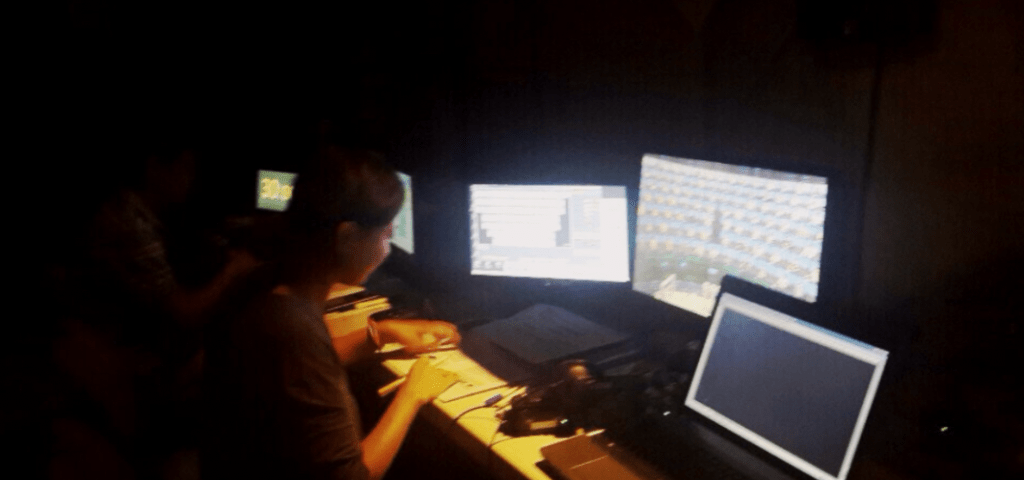
Hyunhee: A broadcast writer’s role is incredibly wide in scope. We participate in nearly every step of the production process, from the moment a program is conceived to the moment it is completed. I often compare it to building a house. We start by creating the framework, the program concept, and then move on to designing the inside: deciding how many rooms there should be, how the bathrooms should be arranged, and so on. In the same way, writers determine the cast, secure guests, develop rules and formats for the show, and later take part in shaping the “interior design,” such as how the final edit should feel. In short, writers and producers work together to build something from nothing and turn it into a beautiful, fully realized program. I currently work as a freelancer, participating in various production processes, but my main focus is creating Korean entertainment show formats. I develop new concepts not only for domestic networks but also in response to requests from foreign broadcasters and format companies. Some of the shows I create are even sold overseas.
This is a photo of Hyunhee, working in broadcasting system.
You’ve worked for a long time as a writer across a wide range of TV programs, from talk shows to music shows. Has that work changed any of your daily habits or lifestyle?
Hyunhee: Yes, definitely. Since my main field has included talk shows and music programs such as KBS Sangsang Plus, Hello Counselor, JTBC Hidden Singer, and KBS LET’S BTS, I’ve been involved in entertainment production for nearly 25 years. Naturally, I’ve developed certain habits without even realizing it. For example, I can’t simply enjoy TV as a regular viewer anymore. While watching, I find myself thinking, “That scene must have been so difficult for the PD and writers,” or “That set must have cost a fortune.” I evaluate programs from a staff member’s viewpoint rather than just enjoying them as entertainment. I suppose that’s what you would call an occupational habit. And honestly, I think it’ll stay with me for a long time — maybe even after I retire.
Have you ever experienced cultural differences or challenges while working with international partners?
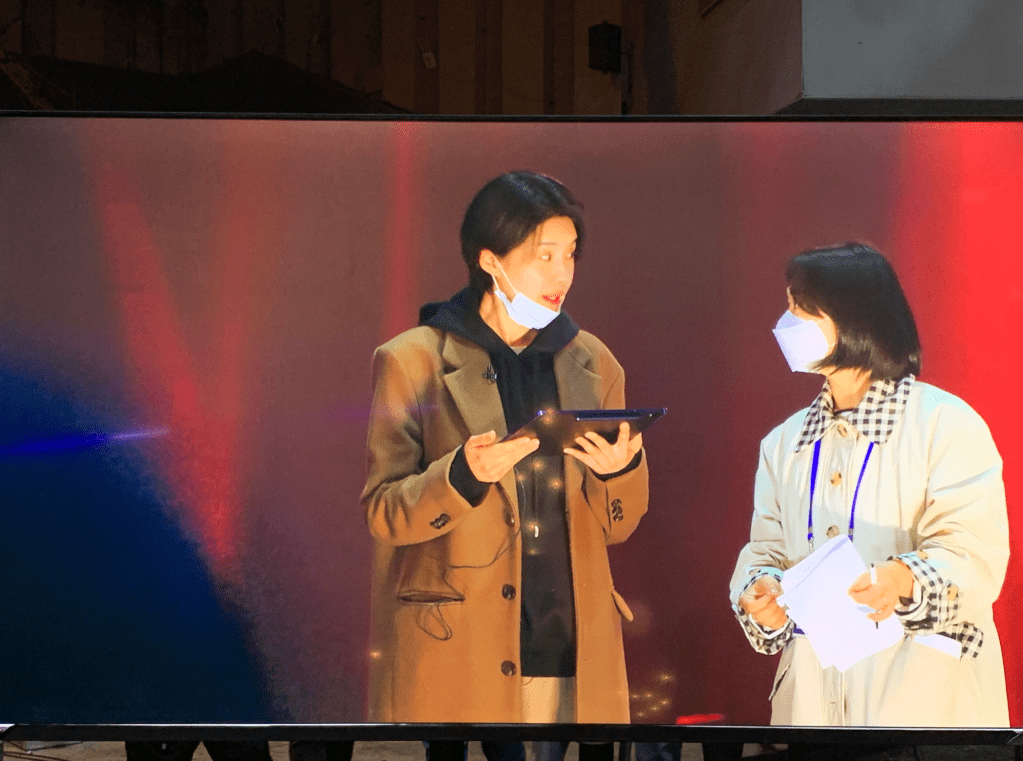
Hyunhee: Yes, very much so. About four years ago, I worked for more than two months with a team from Israel to develop a new entertainment show format. That experience made one thing clear: Korea truly lives up to its “ppalli-ppalli” (“hurry-hurry”) culture. In Korea, writers and producers usually develop an entire program concept within roughly three months — an extremely fast pace. We work intensely, shaping the idea, creating the format, producing, and broadcasting it. Meanwhile, the Israeli team found even two to three Zoom meetings per week overwhelming. I still remember them asking me, “Why do you work so much?” During brainstorming sessions, they were also surprised by how many ideas I brought each time. My experience with a British team was similar; they repeatedly told us, “Korean staff work unbelievably fast. You never run out of ideas.” It really showed me how the Korean “ppalli-ppalli” mindset shapes the DNA of Korean broadcast writers. Because of this, Korean writers are highly valued in the global market today. Overseas networks actively want to collaborate with Korean creators, saying Korean writers are exceptionally fast and full of ideas. I believe this presents great opportunities for Korean PDs and writers in global media collaborations.
This is a photo of Hyunhee, working in broadcasting system.
Do you have any advice for students who hope to work in broadcasting or other creative media fields?
Hyunhee: My biggest advice is: see as much as you can. Anything: films, media, books, exhibitions, even people on the street. No form of learning beats the power of seeing and experiencing widely. I became a “hobby collector” myself, I watch films, read books, explore art exhibitions, and lately I’ve developed a love for dance performances. Because of that, my mind is now full of countless sources and references. When I need a new idea, those accumulated experiences become invaluable. So don’t say, “Art museums are boring.” Just go. While walking around, you might unexpectedly discover a painting you love. If you think you don’t enjoy movies, go anyway– buy your favorite drink, watch something to the end, and you might find an actor you love. As you build these habits, you’ll gain the ability to truly enjoy content created by experts from around the world. So whatever it is, just start by looking and watching.
Her reflections illuminate the often unseen artistry and discipline behind Korean entertainment, revealing how creativity is shaped not only by talent but by culture, pace, and relentless curiosity. Her experiences demonstrate that storytelling is a craft built from accumulated observations, from the shows she analyzes instinctively to the global collaborations that challenge her assumptions about how ideas are made. At the heart of her journey is a belief that creativity grows when we open ourselves to the world: its art, its people, and its countless moments of inspiration. For students aspiring to enter broadcasting or any creative field, her story offers a clear message: pay attention, look widely, and let what you see become the foundation of what you create. As the media landscape continues to expand across borders, the mindset she embodies, fast, imaginative, and deeply open to experience, represents the future of global storytelling.
![책꽂이] 학벌주의가 낳은 '기이한 아수라장' 대치동의 민낯 | 서울경제](https://newsimg.sedaily.com/2021/11/25/22U5L7XIA0_7.jpg)
 Humans of Korea