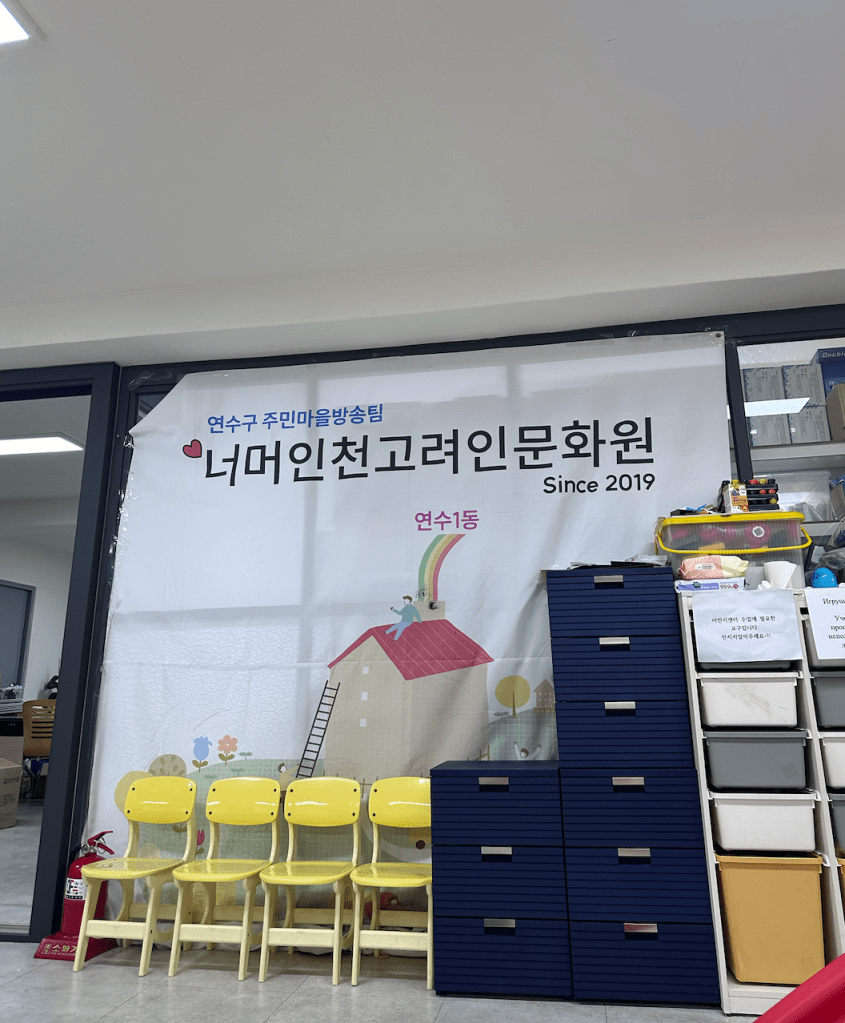
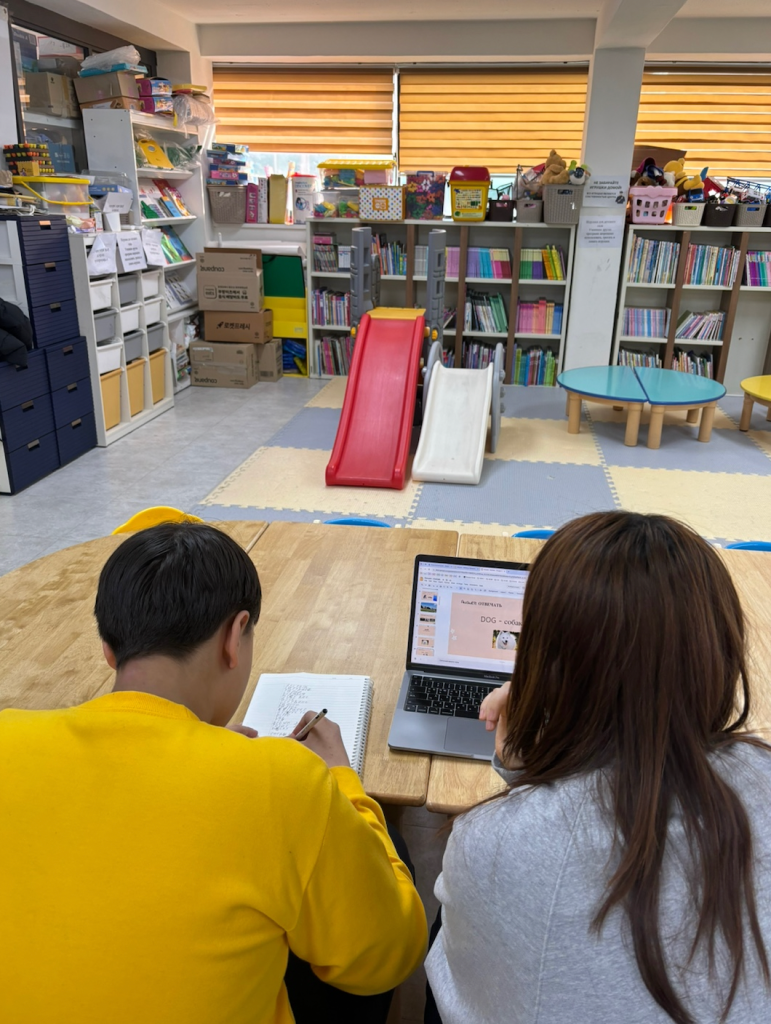
Kim Woo Hyun is the team leader of Neomeo Incheon Koryoin Cultural Center (너머인천고려인문화원), located in Hanbak Village, Songdo. Koryoin is Koryo-saram, which refers to Koryo people in Korean, and this community space welcomes Koryo-saram youth every afternoon, offering them a place to feel connected and supported. With over 10 years of experience working with this community, Kim plays an important role in helping youth adjust to life in Korea. His work centers on bridging communication gaps through empathy, especially for children who struggle with Korean or English.
Kim has partnered with Chadwick International’s student-founded club Lectio, giving students the opportunity to volunteer and learn directly from the Koryo-saram community. His words provide a rare glimpse into the lives of minorities in South Korea, particularly in a small village few people know about. The Koryo-saram highlight what daily life looks like for these children and remind us of the individuals who deserve recognition for their steady and meaningful work in support of others.
Can you introduce yourself and tell me where you currently live?
Kim: My name is Kim Woo Hyun, and I live in Hanbak Village, Songdo, South Korea. I serve as the team leader of the Neomeo Incheon Koryoin Cultural Center, a community space where young Koryo children gather after school. I have been working with the Koryo community for over 10 years and joined this center in 2018 when it was first established.
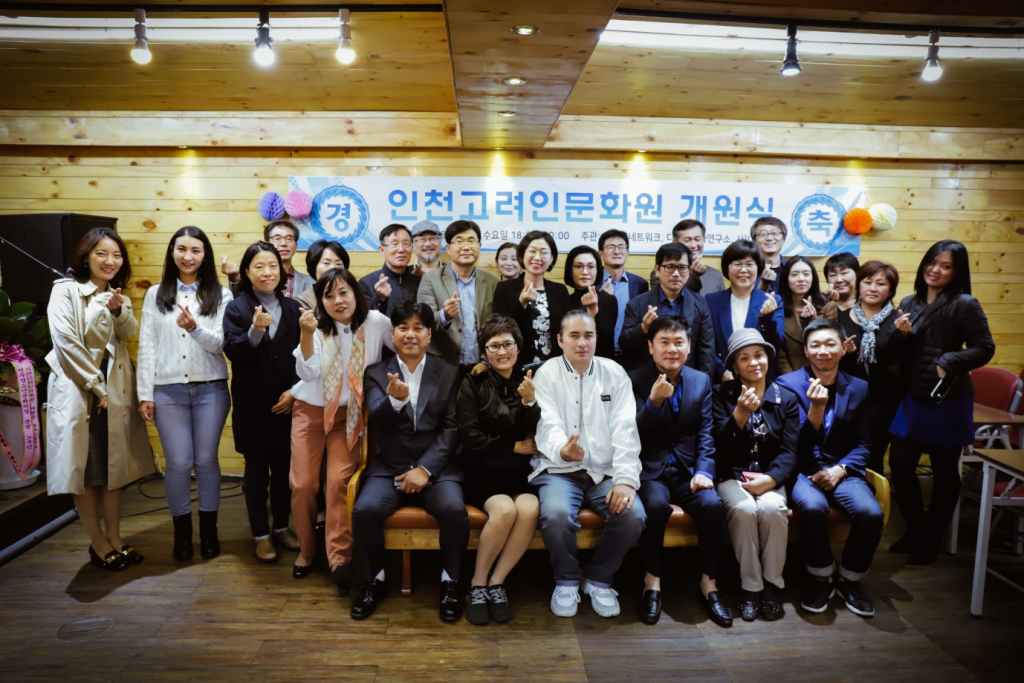
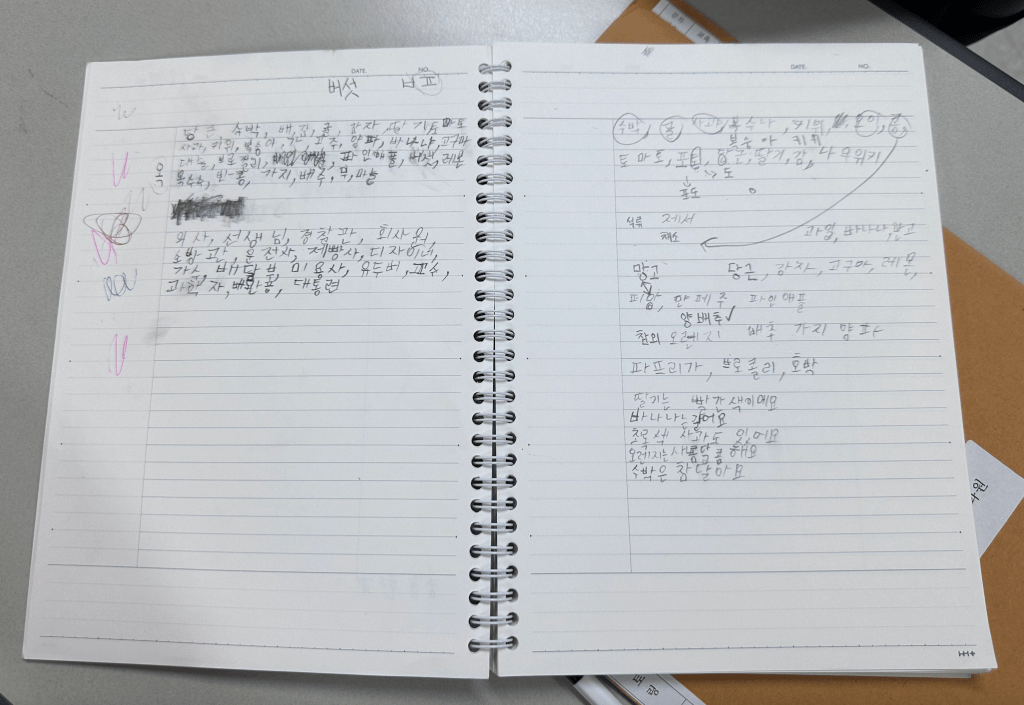
Koryo-saram refers to ethnic Koreans who once lived in the former Soviet Union, especially in Russia, Kazakhstan, and Uzbekistan. Many have moved to Korea but still hold on to their Korean roots. Unfortunately, most Koryo-saram children are not fluent in Korean or English, which creates a communication barrier not only with their peers but also with student volunteers and staff like Janice and her school.
What is your connection to Korea and Korean culture?
Kim: I am Korean, and I really care about helping others adjust to life in Korea. I want to support foreigners and people with Korean roots who are trying to build a life here, helping the Koryo-saram connect with Korean culture and find their place. Many of these kids have Korean heritage but still feel like outsiders. I want to help Koryo-saram feel accepted and included. Minorities want to be heard, but no one is listening.
What are some cultural differences you have noticed between Korea and the people you work with? The Koryo-saram?
Kim: Language is the biggest difference. Many of the children are not fluent in Korean, and most of the Koryo-saram do not speak English either. So even though we share the same heritage, it is difficult to communicate. I also cannot speak Russian, though I try learning, haha, so there is no real communication. That is why we rely heavily on nonverbal communication.
The best communications are the ones where you do not need words. People often think that speaking the same language is the only way to connect, but that is not true. Things like empathy, gestures, facial expressions, and even eye contact can say more than words.
What advice would you give to others who might face similar experiences living between cultures?
Kim: Always stay open-minded and be willing to connect. Hand gestures and even eye contact can speak volumes. Everyone has their thoughts and ideas, so language should never be the reason to look down on someone.
Engaging with someone who does not speak your language may be uncommon, but do not let that stop you from forming a bond. The best conversations often happen beyond words. You just have to be willing to try. A language barrier does not have to be a communication barrier. Learning to overcome these challenges is an essential skill, especially in today’s globalized world. As a starting point, try saying hello. When you greet the Koryo-saram with warmth, they tend to mirror that.
Mr. Kim’s interview reminds us that empathy can speak louder than language. Although many Koryo-saram’s children struggle to speak Korean or English, they still seek connection and belonging. As Mr. Kim says, “The best communications are the ones where you do not need words.” Even when language fails, gestures, tone, and presence can open doors. Throughout the interview, he emphasized how he, his team, and the volunteers are doing their best to support minorities in South Korea and that others should do the same. No matter where we are, behind every success story, there are often overlooked communities. We should help one another and work to overcome the most common barrier, language. Through his work, Mr Kim shows that true understanding begins with patience, sincerity, and the courage to connect.
Read the Blog About Viktor Kim a Koryo Student Living in Korea and Learning With Kim Woo Hyun!

 Humans of Korea