

Suhyeon is a 2nd grader in a Korean public high school. She attended international schools early in her life to learn English and potentially consider studying abroad, but now focuses on the Korean college admissions process. Suhyeon transferred first to a Korean elementary school in 5th grade, and has ever since lived in an extremely academically driven region, Banpo. Her perspective reveals how the most dominant cultural influence early in life lasts long into teenage years, even after being detached from it, and the difficulties in adjusting to the more strictly academic environment.
(This interview has been translated)
Sieun: Please introduce yourself.
Suhyeon: Hello, I’m Suhyeon. I’m in Grade 2 at Banpo High School. I don’t have to say much outside of that since I’m a ‘go-sam’, or senior in high school, just next year, and these days I study all day to prepare for that. I always had a focus on that, but the pressure has been added especially since we ’08s, or our age class, are the last class before the government changes the curriculum, so we can’t really afford to retake the KSATs.
Sieun: How has the transition been from an international school to a Korean public school? Do you still feel the influence?
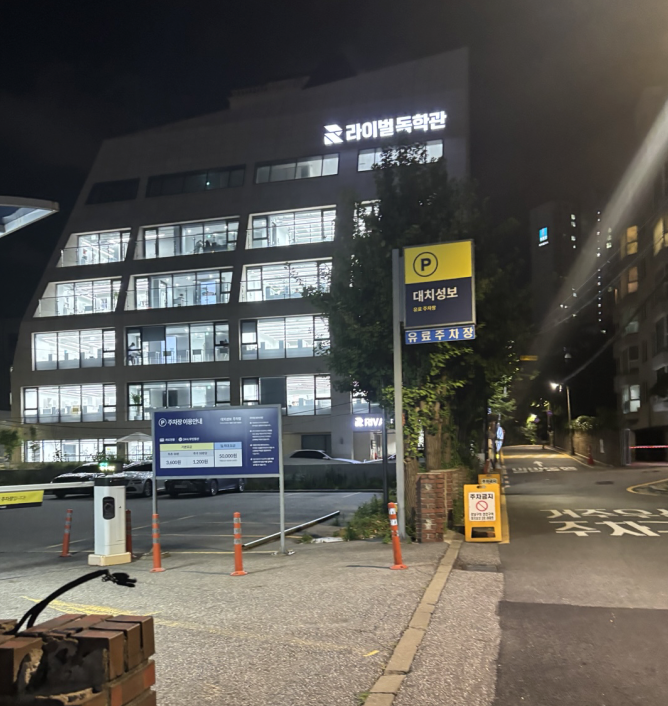
Suhyeon: I kind of still do, yes, in that I had to work harder at the start to catch up on my studies. I feel that Korean schools are much more academically rigorous, and there’s a lot more pressure to study ahead of what the class is currently teaching. But obviously, we have different priorities, like the kids that go to international school, whom I still keep in touch with, are driven in a different sense. They don’t sit at a desk for twelve hours, but they are more extracurricular-based and are required to do something crazily innovative to awe the admissions officers. I don’t know what’s worse for our mental health. Maybe I’m nostalgic because it’s a stressful season for me right now, but I did have the chance to experience something different and somewhat unique in Korea, so I sometimes miss the sports I used to play and that atmosphere in general. Especially recently.
Sieun: What was the most significant cultural difference between those school environments?
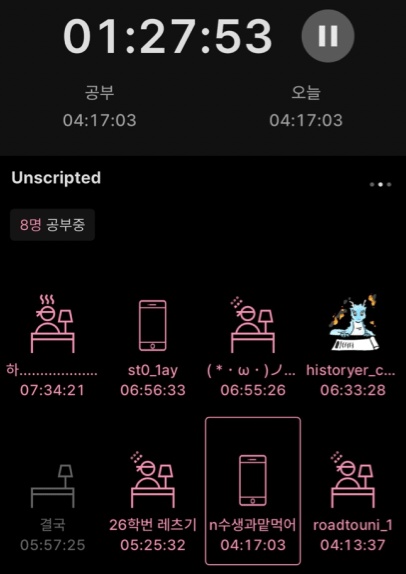
Suhyeon: Culturally, like between friends, I think the biggest difference was the way we get to know each other. Although I was only there for elementary school, we still had a wide range of extracurricular activities, including forensics, robotics, the book club, sports, and more. I bonded with my friends back then through early shared interests. In Korean schools, because we stay in our homerooms all day and don’t move rooms between classes, we just get to know whoever’s in our advisory group. Honestly, in high school, we don’t put much time into those relationships at all since our grades are the priority. During exam seasons, we literally study during all breaks, and some even skip lunch.
Sieun: How do you think this transition has shaped your identity?
Suhyeon: The concept of identity too, Korean students don’t really pursue their respective passions outside of our studies if you’re not entirely set on that career, as in, labeled as ‘yaechaeneng’, which has a whole another competitive admissions process. I don’t know, I think I’d have to be secure in a university before having the chance to explore my identity. I don’t know if it’s because I’ve experienced an international school, but I’m hoping to work abroad someday after graduation, though, in the short term. I want to experience as many diverse cultures as possible.
Suhyeon’s interview highlights the differences in academic pressure between international, North American, and Korean schools. In either environment, most students struggle to meet the standards of college admissions officers and entrance exams. Although stressful, she understands that this experience of diligence is a necessary part of teenagers setting baseline expectations before freely experimenting with their identities as adults.
 Humans of Korea