In today’s increasingly interconnected world, many students grow up navigating multiple cultures, languages, and educational systems. Siyoon Kim is one such student. Now a Grade 12 student at Branksome Hall Asia, she has spent her entire academic life in international schools, developing a global outlook shaped by diverse experiences both inside and outside the classroom. With a clear ambition to pursue pharmacy in university, she is preparing to enter a field that blends scientific inquiry with real-world impact. Her journey shows how international education and cross-cultural exposure can build adaptability, independence, and a deeper understanding of the world. As Siyoon looks ahead to her future studies and career, she represents a generation of students ready to learn, connect, and contribute across borders.
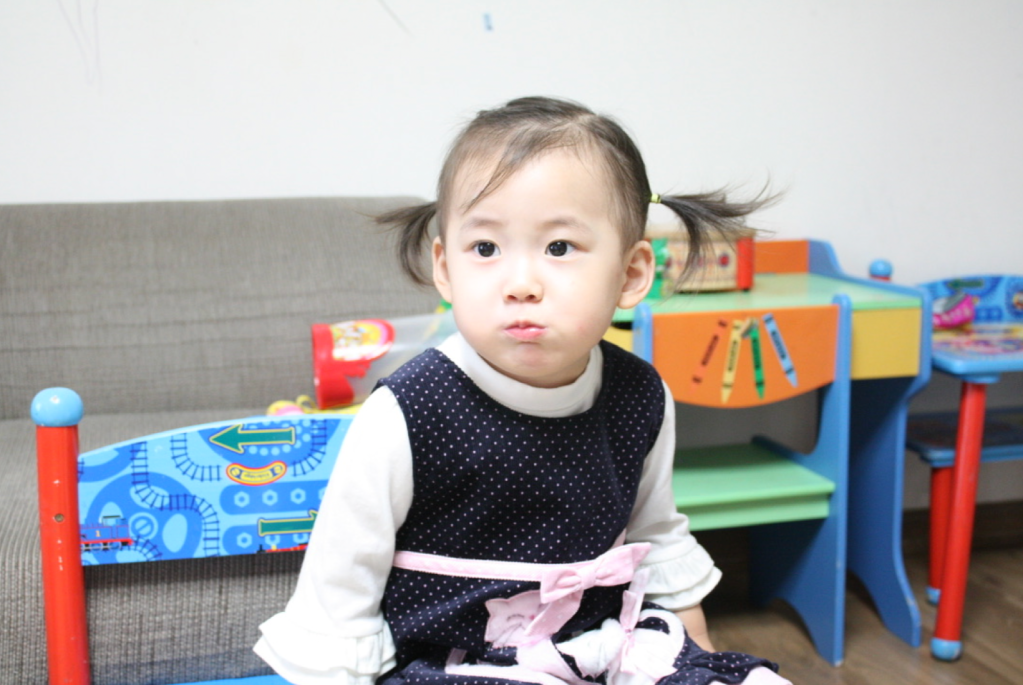
Could you please introduce yourself? What are your future plans after graduation?
Siyoon: My name is Siyoon Kim, and I am currently a Grade 12 student at Branksome Hall Asia. I hope to major in pharmacy at university because I have always been interested in the scientific and practical aspects of medicine. After completing my undergraduate studies, my plan is to continue on to graduate school and eventually take the national pharmacist licensure exam. My long-term goal is to become a licensed pharmacist and contribute to improving people’s health through safe and effective medication management.
What are some advantages and challenges of having been educated in an international system, particularly the IB?
Siyoon: One major advantage of the international and IB education system is the global perspective it offers. I was exposed to diverse cultures, ideas, and ways of thinking from a young age, which helped me become more open-minded and comfortable communicating in English. The IB curriculum also emphasizes critical thinking, research skills, and independent learning, which I believe will help me adapt well to university-level academics. However, there are also challenges. Assessment in the IB often depends heavily on teacher interpretation and subjective grading, which sometimes makes it difficult to understand exactly what is expected. Additionally, IB classes and exams tend to be long and intensive, requiring strong time management and endurance. While challenging, these experiences ultimately pushed me to become more disciplined and resilient.
Since your mother works as a flight attendant, I heard you’ve also traveled to many countries while accompanying her. Is there any experience from those trips, something surprising, eye-opening, or culturally different, that left a strong impression on you or made you realize how their lifestyle differs from ours?
Siyoon: Traveling with my mother gave me many meaningful experiences. One memorable place was Brisbane, in Queensland, Australia, where my aunt lives. It’s a rural area, and I was surprised by how beautiful and untouched the natural environment was. Seeing such open landscapes and wildlife made me realize how differently people live in countries with vast natural spaces compared to Korea. Another impression came from Barcelona, a city known for its unique architecture. Walking through the city, I was amazed by the artistic buildings and cultural atmosphere. However, I also noticed lifestyle differences– especially in food. Many meals were centered around hamburgers, pizza, fish and chips, and other Western dishes, and I found some seafood pastas with unfamiliar ingredients quite surprising. Even the structures of residential buildings felt completely different from what I was used to in Korea. These experiences helped me understand how lifestyle, environment, and culture shape daily living in different parts of the world.
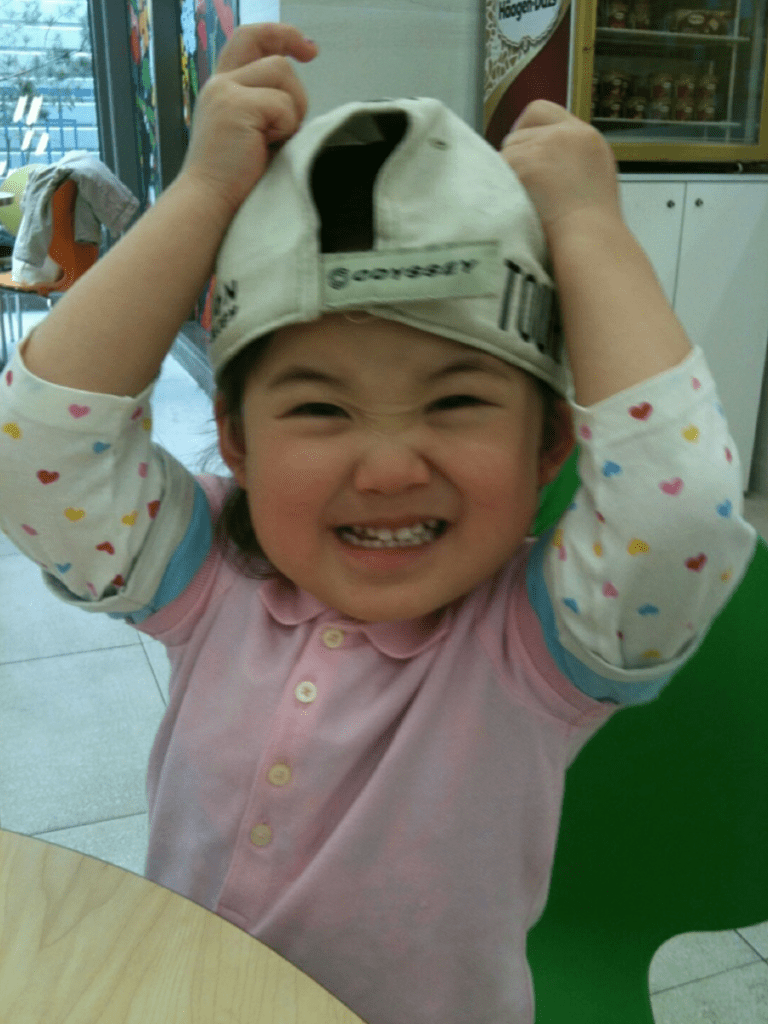
Siyoon’s reflections reveal how international education and global travel can shape a student’s identity far beyond academics. Through the IB curriculum, she learned to think critically, work independently, and navigate demanding assessments with resilience. Through her travels, she encountered different lifestyles, landscapes, and cultures that broadened her understanding of how people live around the world. Together, these experiences helped her develop openness, adaptability, and the confidence to pursue her goals with clarity. Her story demonstrates that growing up between systems and cultures is not merely about exposure—it is about learning to see differences as opportunities for insight and connection. As she moves forward toward her future studies in pharmacy, she carries with her a worldview shaped by curiosity and a readiness to contribute meaningfully in an increasingly global society.
 Humans of Korea