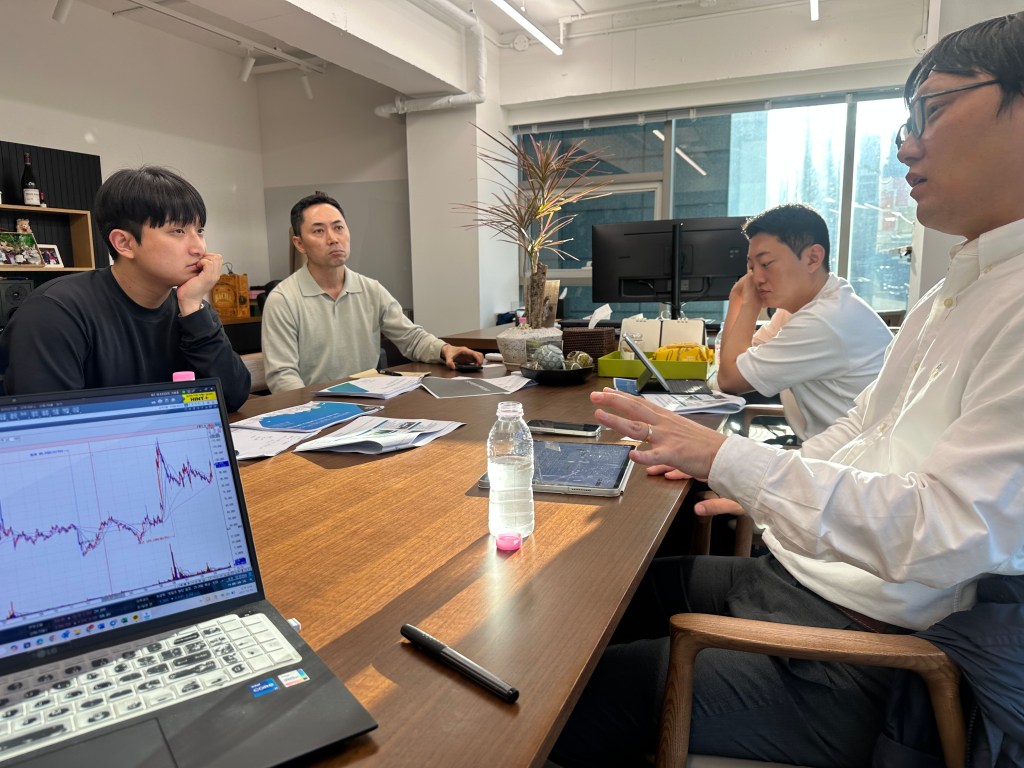
Younghoan Choi is the CEO of BDC Labs, a venture capital firm based in Seoul. He is Korean, with a strictly Korean education and cultural background, but has become accustomed to attending foreign conferences and working abroad, particularly in countries such as the United States, China, Vietnam, and Indonesia. He has gotten used to switching styles of negotiation and basic communication according to where he’s working, and his experiences with hundreds of different startups provide insight into what is strategically demanded of emerging companies in various countries.
(This interview has been translated)
Sieun: Can you introduce yourself and your work?
Younghoan: My name is Younghoan Choi, the founder of BDC Labs. I’m a Korean venture capitalist, and have been working more and more with international clients and companies as globalization and specific industry trends demand it of us. I primarily invest in multiple companies at different stages of development simultaneously to sometimes minimize risk, or to take my risks efficiently. Considering companies from all over the world is part of this strategy.
Sieun: What are some key differences in the work culture of these foreign companies compared to domestic ones?
Younghoan: The most significant cultural difference that affects my business decisions is that of China. You know, Korea is often considered a very Confucian country, and therefore, our communication can be less straightforward. I’ve traveled a lot personally also, and I realize that Korean conversations are actually rather blunt compared to some parts in England or Japan in general. However, China’s culture of ‘Mianzi’, which means face, in recognizing and respecting each other’s social status, similar to the concept ‘Nunchi’, or reading the room, as seen in Korea, was the most unclear, or you could say, polite, form of communication that affected negotiations.
When we talk to Chinese businessmen, they rarely say no in a straightforward manner. Even if they say yes right now, that doesn’t mean anything can be guaranteed, even orally, because they have so many layers of corporate and governmental approval before “sealing the deal.”
I sometimes find it inefficient, but their specific processes also buy time for us to rethink as well. I can’t say which is better, but it’s just that these kinds of cultural clashes make me rethink my priorities in efficiency, accuracy, and more from other perspectives.
Sieun: In what ways do you utilize these different foreign perspectives to gain more profit? Are they useful?
Younghoan: Honestly, when we’re having one-to-one conversations with clients and representatives, those perspectives make it harder to negotiate most of the time. However, looking at the services these foreign companies, especially startups, differentiate themselves with, they’re handy. Our firm looks firstmost in the character of the founders and how they structure and manage their human resources when deciding to invest or not, so that kind of inherently different perspectives(for example, not trying to generalize but, the Chinese paying more attention to detail in their pitches, or the Americans being more clear in their prospects). I guess in that sense, I’m more personally compatible with an Indonesian culture. I found their business extremely efficient in a new way!
Younghoan’s interview reflects on how cultural differences shape business both within and outside South Korea. He notes that although he might not personally resonate with certain ways of working, recognizing such different work cultures itself helps him be more open and analyze in different perspectives, rearranging his priorities. He adds that this kind of self-doubt is often needed yet overlooked as a way to elevate a working method, and that following a domestic tradition with tunnel vision passion isn’t always the most efficient leadership approach.
 Humans of Korea
Leave a comment